


Hooked Inc: Fishing Games
4.6215.10K Reviews
App Specs
- Version
- 3.2.2
- Updated On
- License
- Free
- Downloads
- 10,000,000+
- Developer
- Lion Studios
- Categories
- Simulation
- Platform
- Android
Screenshots
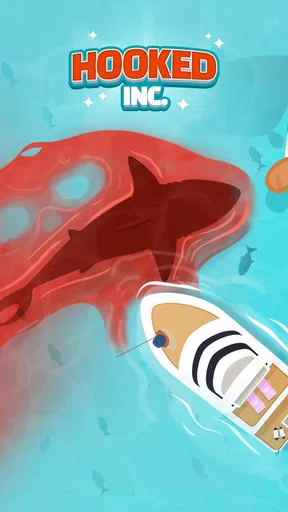
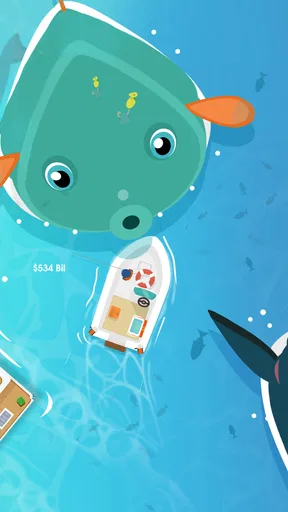
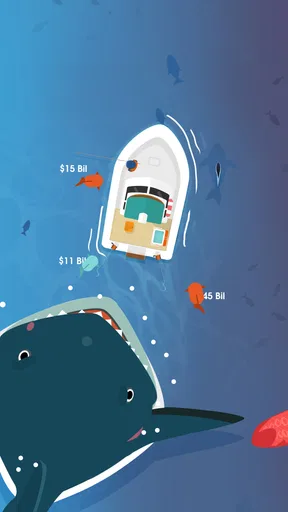
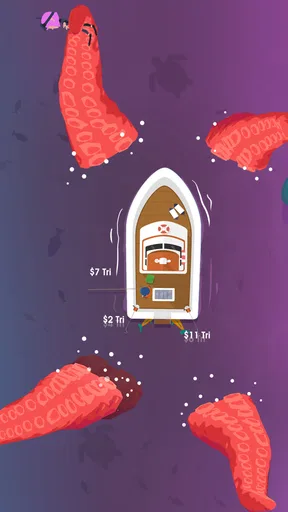



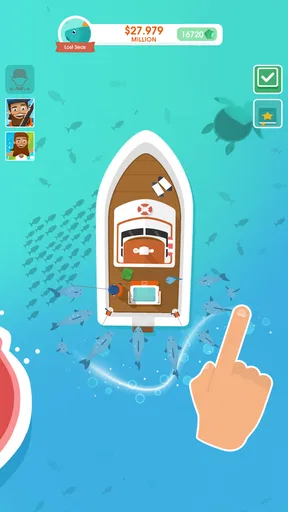
 Analysis by AppCompare
I approached Hooked Inc: Fishing Games as a quick-play simulation rather than a traditional fishing game, and that distinction matters from the first few minutes. The goal is not to master realistic casting, weather, or detailed boat handling. Instead, I build up a fishing operation through short sessions, collect progress, improve the experience over time, and return when I have another spare moment. That makes it easy to understand, but also sets a clear limit: anyone looking for a deep fishing simulator may find its relaxed, incremental style too simple.
The game comes from Lion Studios and is free to start. It is listed for Everyone, runs on devices using Android 7.1 or later, and its current version is 3.2.2. Those details make it accessible to a broad audience, although the optional purchases range from $0.99 to $199.99 per item. I would not treat the game as a one-evening challenge. Its appeal comes from gradually improving a small virtual business and deciding when a short burst of attention is worth using.
How I Decide Whether This Fishing Simulator Fits
My first decision criterion is the kind of interaction I want. If I have ten minutes while waiting for a bus, I prefer a game that lets me make visible progress without demanding constant concentration. This title suits that situation well. I can check the operation, collect what has accumulated, make an improvement, and leave without feeling that I abandoned a complicated mission. The design is much closer to an idle tycoon game with a fishing theme than to a hands-on angling simulation.
That difference also affects the way I judge the controls. I am not looking for precise line tension or a realistic reel. I am looking for a clear loop: check the current state, choose an upgrade or action, see the operation become more productive, and repeat later. The game communicates that loop quickly, which is one reason it has reached a 4.6 average from around 1.5 million ratings and more than 10 million installs. Those figures suggest a very broad audience, but they do not mean every player will enjoy the same pace.
I also consider how much patience a game expects. Idle progression can feel satisfying when each return gives me something useful to do. It can feel flat when improvements become too gradual or when I am encouraged to wait rather than play. Here, the central question is whether I enjoy managing momentum more than actively controlling every fishing trip. If I do, the structure is welcoming. If I need constant action, the slow-building format may test my patience.
The first sessions: simple, readable, and deliberately repetitive
My early sessions were easy to follow. I did not need a long tutorial or a detailed explanation of fishing terminology to understand the basic purpose of each action. The presentation keeps the theme friendly, and the progression gives me a reason to look at the next improvement instead of asking me to learn a complicated control scheme.
That simplicity is useful for younger players and casual users, especially because the age rating is Everyone. It also makes the game comfortable for someone who normally avoids management titles. I can open it, understand the current goal, and close it without memorizing a large collection of systems. The trade-off is repetition: the same broad pattern returns often, so the enjoyment depends on whether gradual growth itself feels rewarding.
Worth Reading Before You Choose

EA SPORTS FC Mobile 26 Is a Bigger Football Game, but It Takes Time

Flipboard Shows What News Apps Must Do Beyond the Feed

Switching to Android Auto Means Rethinking Your Driving Routine

Google Calendar Makes a Crowded Week Easier to Manage

Ludo King Makes the Most of the Minutes Between Plans

Baby Panda World Brings Quick Play to Modern Phones, but Its Game Library Feels Busy
One practical tip I found useful is to treat each visit as a small planning session rather than tapping through everything immediately. I first look at what has accumulated, then decide which improvement will make the next return more worthwhile. That habit prevents me from spending resources simply because an option is available. In an idle game, the most visible upgrade is not always the most useful one for the way I play.
Why the idle structure works better than expected
The strongest part of the design is how well it fits fragmented time. I can play during a coffee break, between household tasks, or at the end of the day when I want something lighter than a competitive game. There is no pressure to maintain a long uninterrupted session. The game gives me a compact reason to return, and that is more important here than any single fishing moment.
I particularly like the way the fishing theme softens the management loop. A conventional idle business game might use factories, shops, or numbers on a dashboard. This one gives the same gradual sense of growth a more playful setting. The boat and fishing identity make the progression easier to approach, even when the underlying activity is about improving output and checking results.
Still, I would not call it a relaxing game for everyone. Idle games can create their own kind of pressure through visible upgrades and waiting periods. If I start checking the app repeatedly just to avoid missing progress, the experience becomes less calming. I get the best results when I decide in advance that I will check in occasionally, rather than turning every spare minute into another refresh.
Where the Boat-Building Loop Wins
The clearest advantage is accessibility. I do not need prior knowledge of fishing, and I do not have to learn a demanding control system before seeing progress. Lion Studios keeps the basic idea approachable, which helps explain why the game works for casual players who want a simulation label without the complexity often associated with simulation games.
It also wins when I want a game that can be played in short bursts. The progress loop gives each visit a natural beginning and end: collect, improve, inspect the next target, and leave. That makes it easier to fit around real life than a game built around long races, extended missions, or multiplayer commitments.
Another strength is the sense of ownership created by gradual development. Even when the individual actions are small, I feel that my boat and operation are becoming more capable because of choices I made earlier. That is a modest form of strategy, but it is enough to give the waiting period a purpose. I am not merely watching a timer; I am deciding how to make the next cycle feel better.
Three habits that make progression feel less wasteful
First, I recommend choosing a session objective before spending anything. I might focus on improving the next return, reaching a particular upgrade, or simply collecting enough progress to unlock a new step. Without that small objective, the interface can encourage impulsive decisions, and the loop starts to feel like routine tapping rather than management.
Second, I avoid judging an upgrade only by its immediate visual appeal. In this kind of game, a modest improvement that supports repeated sessions can be more valuable than a dramatic-looking change that does not fit my schedule. If I play only twice a day, I think about what will help those two visits. If I check more often, my priorities may be different. The best choice depends on my routine, not on a universal order.
Third, I use the game as a background activity instead of making it my only entertainment. It works well alongside a podcast, a short break, or a daily wind-down. When I expect a full action game from it, the repetition stands out. When I use it for light progress between other activities, the same repetition becomes part of its comfort.
These habits are not complicated, but they reveal the central trade-off. The game rewards consistency more than intensity. A player who enjoys returning regularly will probably get more from it than someone who wants to complete a demanding challenge in one sitting.
The price question deserves attention
Because the game is free, trying it does not require an upfront payment. That is a genuine advantage when I am unsure whether idle fishing will hold my attention. I can learn the rhythm before deciding whether it deserves space on my device. The presence of optional purchases, however, means I pay attention to my own spending habits rather than assuming “free” means cost-free in every sense.
The available purchase range stretches from $0.99 to $199.99 per item. I see that as a reason to set a personal boundary before playing, especially if the device is shared with a child. The Everyone rating makes the game approachable for families, but an age-friendly presentation does not remove the need for sensible purchase controls. My preferred approach is to enjoy the standard progression first and treat any paid option as optional convenience, not as part of the basic requirement to play.
This is also where the game differs from a premium fishing title. A paid alternative may offer a clearer sense of what the complete experience costs from the beginning, while this free model lets me sample it with less commitment but asks me to be more alert around optional spending. Neither approach is automatically better; it depends on whether I value a no-cost trial or a more predictable purchase model.
When Another Kind of Game May Fit Better
I would choose a more traditional fishing simulator if my priority were physical control. Players who want to aim casts, manage a reel, study realistic conditions, or feel that every catch depends on technique should look elsewhere. This game uses fishing as the setting for an incremental management experience, so it does not replace a detailed angling simulation.
I would also consider a conventional tycoon game if I cared more about complex business decisions than the fishing theme. A deeper management title may offer more layers to balance, while this one keeps the loop lighter and easier to read. The advantage here is that I can start quickly; the disadvantage is that experienced strategy players may eventually want more variables, stronger consequences, or a broader sense of control.
Action-focused players have a different reason to skip it. If I want immediate excitement every time I open a game, the idle structure can feel too passive. A racing game, arcade title, or hands-on fishing game would probably give me more moment-to-moment engagement. Hooked Inc: Fishing Games is better for anticipation and gradual improvement than for reflexes.
There is also a difference between playing alone at my own pace and playing socially. This experience is most comfortable when I am managing my own progress without needing teammates or opponents. Someone searching for a competitive community, direct player interaction, or a shared long-term challenge may be happier with a multiplayer alternative. I would not install this expecting the social energy of a live competitive game.
Who should install it, and who should pass?
I recommend it to casual players who like watching a small operation grow, families looking for an approachable simulation, and anyone who wants a low-commitment game for short breaks. It is especially suitable if I enjoy making one or two decisions, leaving the app, and returning later to see the effect.
I would advise skipping it if I dislike waiting, repeated collection cycles, or purchases that sit alongside free progression. I would also pass if realistic fishing mechanics are essential. The fishing identity is appealing, but the actual satisfaction comes from incremental management rather than from mastering an angler’s craft.
For a realistic everyday scenario, imagine finishing work and having only a few minutes before dinner. I can open the game, collect the progress that built up, choose an improvement based on how often I expect to return, and close it before the next task. That is a good use case. By contrast, if I have an hour and want a rich, skill-based experience, this probably will not make the best use of that time.
What Switching Away Would Change
The cost of switching to another game is not just learning new controls. It is giving up the familiar rhythm of checking a boat, making a compact decision, and seeing gradual growth. If I move to a traditional simulator, I may gain more active control but lose the convenience of brief sessions. If I move to a deeper tycoon game, I may gain complexity but spend more time learning systems and managing details.
Switching in the other direction has its own trade-off. A player coming from a realistic fishing game may appreciate the lighter workload, but may miss the feeling that personal technique determines the outcome. Someone coming from a complex business simulator may enjoy the friendly theme but find the decision-making narrower. The right choice depends on which part of the current experience feels missing.
I also think about attention cost. A game that is free to start can still compete with other apps for my time. Hooked Inc: Fishing Games asks for repeated returns, but it does not need to dominate my day to be enjoyable. If I can keep it as a small routine, switching away may not be necessary. If I find myself opening it automatically without enjoying the decisions, that is a useful signal to move on.
Version 3.2.2 gives the app a current, identifiable build for Android users, while the minimum requirement of Android 7.1 keeps the entry point relatively broad. I would still check that my device meets the requirement before installing, particularly on an older phone. For someone using iOS, the sensible question is less about technical comparison and more about whether the same idle fishing concept fits the way they already play mobile games.
My Recommendation After Living With the Loop
I recommend Hooked Inc: Fishing Games as a friendly idle simulation with a fishing skin that does more than decorate the interface. Its theme gives the familiar collect-and-improve structure a pleasant identity, and its short-session design makes it easy to fit into ordinary routines. I enjoyed it most when I treated each visit as a small management decision rather than expecting a full fishing adventure.
Its limitations are just as clear. The repetition will not suit players who need constant action, and the free-to-start model requires sensible awareness of optional purchases. The game also cannot replace a realistic fishing simulator or a demanding tycoon game. Those are not flaws in isolation; they are boundaries that help define the right audience.
My final advice is simple: install it if you want a relaxed boat-building routine, like incremental progress, and are comfortable setting your own pace. Give it a short trial without spending anything, decide whether returning to the operation feels rewarding, and keep purchases within a limit that suits you. If the small decisions make you curious about the next visit, it is a worthwhile casual game. If you are waiting for precise casting, deep strategy, or nonstop excitement, choose a different category instead.
For me, the game succeeds because it understands its role. It is not trying to turn a phone into a professional fishing setup. It offers a light simulation that I can pick up, make progress in, and put down easily. The best reason to play is the steady feeling that each brief visit improves the next one.
Pros
- Simple controls make it easy to start fishing immediately.
- Short sessions work well for quick breaks or casual play.
- Offline progress lets you continue earning without a constant connection.
- Frequent catches and upgrades provide a satisfying sense of progression.
- Colorful visuals and lighthearted presentation suit younger players.
Cons
- Progress can feel repetitive once the basic fishing loop is familiar.
- Some upgrades take considerable time or premium currency to unlock.
- Ad offers may interrupt the experience or encourage optional viewing.
- The interface can feel crowded with currencies
- boosts
- and upgrade menus.
- Long-term goals may lack depth for players seeking a complex fishing simulator.
FAQs for Hooked Inc: Fishing Games
What is Hooked Inc: Fishing Games about?
Hooked Inc: Fishing Games is a casual fishing and idle-management game where you build a fishing crew, catch different species, upgrade your boat and equipment, and expand your operation. The main gameplay is easy to understand: tap or interact with the screen to catch fish, collect rewards, and improve your setup. It is designed for short sessions, but progression systems give you reasons to return regularly.
Is Hooked Inc: Fishing Games free to download and play?
Yes, Hooked Inc: Fishing Games can generally be downloaded and played for free on supported Android and iOS devices. However, the game may include optional in-app purchases for premium currency, boosts, special items, or faster progression. You can enjoy the core fishing experience without paying, although free players may need more patience when upgrading equipment or completing certain objectives.
Does the game require an internet connection?
An internet connection may be needed for some features, including advertisements, cloud-related services, events, purchases, and synchronization. Basic gameplay may work in limited offline situations, but the experience can vary depending on your device and the current version of the app. For the most reliable access to rewards and online features, it is best to play while connected.
Are there advertisements or in-app purchases in Hooked Inc: Fishing Games?
Yes, players should expect advertising and optional in-app purchases. Advertisements may appear during normal play or be offered in exchange for bonuses, extra rewards, or temporary advantages. Purchases can help speed up progress or provide premium resources, but they are not necessarily required to enjoy the game. Parents should review device purchase settings if children use the app.
Is Hooked Inc: Fishing Games suitable for children and casual players?
The game is accessible to casual players because its controls are simple, sessions can be short, and progression is explained through straightforward upgrades and rewards. Its colorful presentation and non-violent fishing theme may appeal to younger audiences. Nevertheless, age ratings, advertisements, online interactions, and optional purchases can differ by platform and region, so parents should check the store listing before downloading.


